Elephant with Butterflies and Flowers Review
As a seasoned embroidery designer who has spent countless weekends setting up booths at local craft fairs and managing digital shops online, I know that the difference between a design that gathers dust and one that flies off the table often comes down to immediate visual appeal and practical application. Today, I am reviewing the Elephant with Butterflies and Flowers machine embroidery design. This piece falls squarely into the Baby Animals category, promising a cool and simple aesthetic intended for adorable items like baby onesies, t-shirt designs, and pillowcases. But does it hold up under the scrutiny of a real-world production run? Let's dive into how this digital file translates into sellable handmade products.
First Impressions: Softness Meets Whimsy
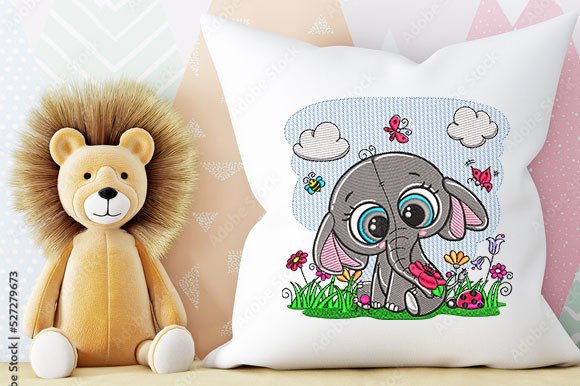
When I first load the preview of Elephant with Butterflies and Flowers, the mood is instantly clear. It is not bold or aggressive; rather, it exudes a soft, whimsical charm that fits perfectly within the modern farmhouse and gentle nursery trends. The combination of a sturdy elephant silhouette with delicate butterflies and floral accents creates a balanced composition. For an Etsy seller or boutique maker, this balance is crucial. It avoids looking too childish while remaining undeniably cute. In a crowded booth filled with rustic wood signs and heavy denim goods, this design offers a necessary pop of tenderness that draws parents and gift-buyers in immediately.
The description notes that this is a "cool and simple" design, and upon inspection, the line work appears clean without excessive fill stitches that could bog down the production time. This simplicity is a major selling point for small shop owners who need to turn around orders quickly. The visual hierarchy works well: the elephant anchors the design, while the butterflies and flowers add movement and color without overwhelming the eye.
Product Versatility: Where Does It Shine?
One of the most critical factors for any commercial embroidery project is versatility. Can this single file generate multiple revenue streams? With Elephant with Butterflies and Flowers, the answer is a resounding yes. Here is how I envision this design performing across various product categories:
- Tote Bags and Market Bags: Placing this design on a natural canvas tote bag creates an instant eco-friendly statement piece. The contrast of colorful thread against unbleached cotton makes the elephants and flowers pop, making it a perfect craft fair product for shoppers looking for reusable bags.
- Kitchen Textiles: As an apron embroidery or tea towel embroidery motif, this design brings a touch of nature into the home. The floral elements resonate well with kitchen decor, while the elephant adds a unique twist that separates it from standard botanical prints.
- Pillow Covers and Home Decor: Since the product description explicitly mentions pillowcases, this is a strong contender for home goods. Embroidered on linen or cotton blends, the texture of the stitching adds a premium feel that printed fabrics simply cannot match.
- Wearable Accessories: While the primary focus is on baby items, scaling this design down slightly allows it to work beautifully as an embroidered patch on denim jackets or caps. However, care must be taken with the smaller details on curved surfaces.
- Small Pouches and Gift Items: For the handmade gift market, applying this design to small fabric pouches for jewelry or cosmetics creates high-value, giftable items that photograph exceptionally well for social media marketing.
Production Reality: Stitch Density and Fabric Texture
While the concept is sound, the execution determines the quality of your finished product. As you prepare to hoop this design for batch production, there are several technical considerations to keep in mind. First, check the stitch density. Designs with mixed elements like animals and flora can sometimes suffer from overly dense fills in the flower petals or butterfly wings. If the density is too high, the fabric may pucker, especially on thinner materials like baby onesies or lightweight tea towels.
Fabric texture plays a significant role here. On textured towels, the raised loops can interfere with fine details. If the butterflies have tiny wing patterns, they might get lost in the weave of a thick waffle-weave towel. In such cases, I recommend testing the design on a scrap piece of the actual fabric you intend to use. Always verify the hoop size requirements before starting a large run to ensure the entire motif fits comfortably without distorting the image.
Furthermore, consider the thread colors. To maximize the visual appeal, avoid using thread shades that are too close to the background fabric. High contrast ensures the design is legible at a glance, which is vital when customers are scanning a table display. For dark fabrics, you may need to adjust the underlay settings or add a backing layer to prevent show-through, ensuring the final result looks professional and crisp.
Sales Strategy: From Booth Display to Online Listings
For the craft fair seller, Elephant with Butterflies and Flowers serves as a powerful anchor for a themed collection. Imagine a corner of your booth dedicated to "Nature's Friends," featuring this design on everything from plush pillows to baby blankets. The cohesive look builds brand consistency and encourages customers to buy multiples. When setting up your display, place the most vibrant examples front and center. A well-embroidered tote bag hanging vertically catches the light differently than a flat pillow, showcasing the depth of the stitching.
For the digital seller or Etsy owner, the ability to create compelling printable mockups is essential. Even if you are selling the digital embroidery file itself, showing potential buyers how the design looks on a real product increases conversion rates. Use photos of the design on a white onesie, a beige apron, and a navy cap to demonstrate its range. Highlight the "handmade quality" in your descriptions, emphasizing that each item is stitched with care, unlike mass-produced screen prints.
This design also lends itself well to seasonal variations. You can swap out the flower colors to match spring pastels or autumn tones, keeping your inventory fresh throughout the year without needing new design assets. This adaptability makes it a smart investment for creative entrepreneurs looking to expand their catalog efficiently.
Designer Checklist Before Production
Before you commit to sewing hundreds of units or listing this as a best-seller, run through this quick checklist to ensure success:
- Test Run: Always embroider a test sample on scrap fabric to check for puckering, thread breaks, or registration issues.
- Stabilizer Selection: Use the appropriate stabilizer for your fabric weight. Lightweight items like onesies require tear-away or cut-away stabilizers to maintain shape without stiffness.
- Licensing Verification: Confirm your commercial licensing rights. Ensure you are permitted to sell finished products made with this specific embroidery file, whether for a physical booth or an online store.
- Detail Inspection: Zoom in on the butterflies and flowers. Are the details clear at the intended size? If not, consider simplifying the stitch count or increasing the overall scale.
- Color Matching: Plan your thread palette carefully. Limit the number of color changes to improve efficiency during batch production.
In conclusion, Elephant with Butterflies and Flowers is a versatile and charming addition to any embroidery business. Its blend of animal and botanical elements appeals to a wide demographic, from new parents to home decor enthusiasts. By paying attention to stitch density, fabric choice, and presentation, you can transform this simple digital file into a standout craft fair product that drives sales and builds your brand reputation for quality handmade goods.