Golf Cart Hand Sanitizer Holder Review
As a designer who has spent years navigating the intersection of functional craft and commercial viability, I approach every new machine embroidery design with a critical eye. We are not just looking for pretty stitches; we are looking for utility, durability, and market appeal. Recently, I evaluated the Golf Cart Hand Sanitizer Holder, a project that sits at an interesting crossroads between the Sports category and essential hygiene accessories. This is not merely a decorative motif; it is a structural pattern designed to hold specific items, making the execution as important as the aesthetic.
The First Impression: Function Meets Form
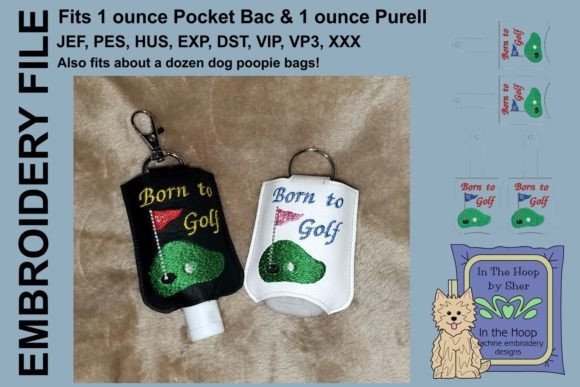
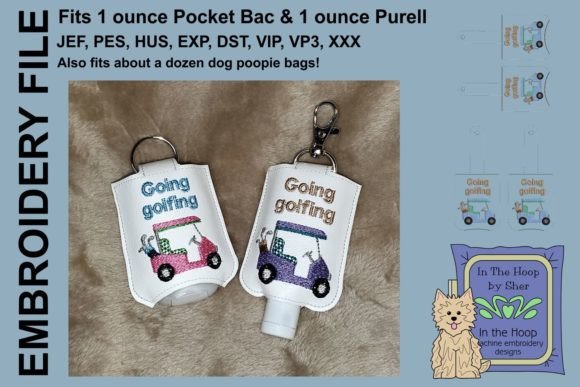
When I first loaded the embroidery file onto my hoop, the intent was immediately clear. This design is engineered to accommodate a 1 oz Purell bottle or a 1 oz PocketBac from Bath and Body Works. That specificity is crucial. In the world of custom apparel and handmade goods, vague sizing leads to frustrated customers and returns. The fact that this digital embroidery file targets those exact dimensions suggests a thoughtful approach to product development.
Visually, the layout feels balanced for a 5 x 7 hoop. It avoids the common pitfall of over-complicating a small space. The design relies on clean lines and purposeful shapes rather than excessive ornamentation. For an Etsy seller or a boutique owner, this simplicity is a strength. It ensures that the finished product looks professional even when stitched on varied fabric textures. The mood is practical yet polished, perfectly suited for the golf course environment where functionality reigns supreme, but style still matters.
Real-World Application: Beyond the Hoop
To truly test the Golf Cart Hand Sanitizer Holder, I imagined a real-life scenario. Picture a local country club hosting a charity tournament. They need personalized gear for volunteers and staff. A standard tote bag is too generic, but a custom embroidered holder attached to a golf cart or clipped to a volunteer's belt loop offers immediate value. I visualized this design stitched onto a sturdy canvas tote bag or perhaps as a standalone patch to be sewn onto a heavy-duty apron for a caddy service.
In this context, the stitch density becomes a focal point. Because the holder needs to maintain its shape while holding a liquid container, the fill stitch areas must be dense enough to provide structure without becoming so thick that they crack after repeated washing. If you are planning to sell these as a small shop product, the longevity of the stitching will directly impact your brand reputation. A flimsy holder that loses its shape after one round of golf is a lost sale. Conversely, a well-executed version using high-quality thread colors can become a staple item in your inventory.
I also considered how this fits into the broader realm of holiday embroidery or gift-giving. Imagine packaging this as part of a "Golf Dad" gift set during the holidays. The personalized gift aspect shines here. You could offer monogramming alongside the holder design, creating a unique custom apparel piece or accessory that feels bespoke. The versatility allows you to pivot from a pure sports accessory to a lifestyle product depending on your target audience.
Navigating Fabric and Technical Challenges
While the design is robust, there are specific scenarios where caution is required. As with any applique design or structural embroidery, the choice of base material is non-negotiable. Thin or highly stretchy fabrics are risky. If you attempt to stitch this on a lightweight t-shirt without proper backing, the tension from the sanitizer bottle could cause the fabric to pucker or tear over time. Always use a heavy-duty stabilizer to anchor the stitches, especially if you are working with textured fabrics like fleece or performance athletic wear.
Furthermore, consider the placement on curved surfaces. While the primary use case is a golf cart, some buyers might want to attach this to a cap or a backpack strap. Curved surfaces can distort the geometry of the holder, potentially affecting how the bottle fits. Before committing to a large production run for your craft business, test the design on scrap fabric that mimics your final product's curvature. Check whether the design works for both personal and commercial projects by inspecting the small details under magnification. Tiny lettering or intricate corners can get lost if the hoop size is pushed beyond the recommended 5 x 7 inches.
Visual Appeal and Commercial Viability
The success of the Golf Cart Hand Sanitizer Holder ultimately hinges on how it elevates the perceived value of the finished product. In the crowded marketplace of handmade products, presentation is everything. A crisp, well-defined embroidery job signals quality. When a customer sees a holder that holds its shape and features clean satin stitch borders, their trust in your craftsmanship increases. This is particularly important for commercial embroidery clients who view these items as branded merchandise.
For the digital product seller, offering this as a design asset requires careful consideration of licensing. Ensure you understand the terms regarding selling the finished physical items versus reselling the digital file itself. If you are creating printable mockups to showcase the design, make sure the lighting and background in your photos accurately represent how the thread colors will appear on different fabrics. Compare light and dark fabric backgrounds to ensure the contrast remains sharp and legible.
Designer Notes for Success
Before you start stitching, take a moment to review the step-by-step instructions included with the patterns. These guides are invaluable for ensuring the structural integrity of the holder. Here are a few practical tips based on my evaluation:
- Test on Scrap Fabric: Never skip this step. Stitch out the design on a piece of the actual fabric you intend to use to check for puckering or thread breaks.
- Check Thread Color Contrast: Ensure the thread stands out against the background. A low-contrast design can look muddy and unprofessional.
- Verify Hoop Size: Stick to the 5 x 7 hoop recommendation. Attempting to resize the design can alter the proportions needed to fit the sanitizer bottles.
- Inspect Small Details: Look closely at the edges of the holder opening. These areas endure the most stress and require precise stitching.
- Confirm Licensing: Double-check the license terms before listing items on Etsy or other platforms to avoid copyright issues.
Ultimately, the Golf Cart Hand Sanitizer Holder represents a smart opportunity for designers who want to blend utility with creativity. It addresses a real-world need within the Sports community while offering a canvas for personalization. Whether you are a hobbyist looking to create unique gifts or a seasoned entrepreneur expanding your catalog of finished products, this design offers a solid foundation. By paying attention to the technical nuances of Embroidery—from stabilizer choice to stitch density—you can turn this simple pattern into a high-value, reliable product that customers will return to again and again.