Lucky Shamrock Embroidery Design Review for Craft Fairs
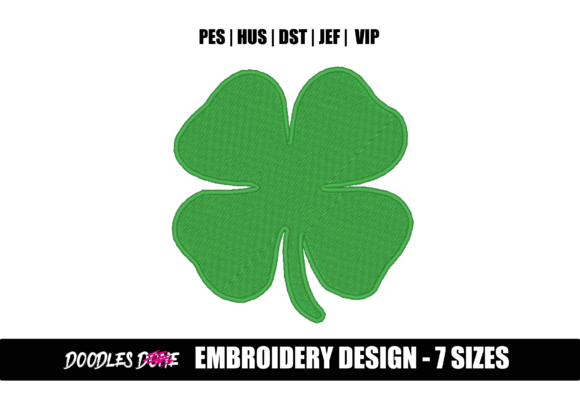
As a professional embroidery designer who has spent years curating collections for weekend craft fairs and pop-up markets, I know that the difference between a booth that thrives and one that struggles often comes down to a single design choice. When I first opened the digital file for Lucky Shamrock, my immediate goal was to determine if this piece would translate well from a screen to a tangible, sellable product on a busy Saturday morning. This beautiful lucky shamrock embroidery design is perfect for marking this special St. Patrick’s day, but does it hold up under the scrutiny of a seasoned maker preparing for a commercial run? Let's dive into the practical realities of turning this machine embroidery design into a revenue-generating asset.
First Impressions: The Vibe of Lucky Shamrock
At first glance, Lucky Shamrock strikes a balance between festive charm and timeless appeal. It doesn't feel overly cartoonish or cheap; instead, it carries a soft, decorative quality that suggests a premium handmade product. For an Etsy seller or boutique maker, this aesthetic is crucial. In a sea of neon green plastic trinkets, a design that feels elegant yet accessible stands out immediately. The visual weight of the shamrock suggests it can serve as either a bold focal point or a subtle accent, depending on how you execute it. This versatility is exactly what I look for when planning a cohesive table display for a craft fair.
Product Placement: Where Lucky Shamrock Shines
The true test of any digital embroidery file is how it performs across different substrates. When evaluating Lucky Shamrock for a market booth, I envision several key applications that maximize its selling potential.
Tote Bags and Market Carriers
A tote bag design featuring Lucky Shamrock is a crowd-pleaser. The sturdy canvas of a tote allows the stitches to sit flat and proud. If you use a contrasting thread color against a natural or white background, the design pops instantly. Customers walking through a market often grab these bags to check the quality, making the tactile nature of the embroidery a powerful sales tool. This is a staple small shop product that moves quickly during the holiday season.
Kitchen Textiles: Aprons and Tea Towels
For home decor enthusiasts, apron embroidery and tea towel embroidery are high-value categories. The rustic texture of a linen tea towel pairs beautifully with the organic shape of a shamrock. However, you must be mindful of the fabric texture. On a thick, looped towel, the design needs enough stitch density to remain visible without getting lost in the weave. An embroidered patch version of Lucky Shamrock sewn onto an apron pocket offers a durable, gift-ready option that feels more substantial than a printed alternative.
Caps and Patches
Curved surfaces like caps present a unique challenge. While Lucky Shamrock looks great conceptually, the curve of a cap can distort the symmetry of the leaves if the hoop size is not managed correctly. Alternatively, creating an embroidered patch to attach to hats or denim jackets allows for precise control over the final look. These patches are excellent for impulse buys at a booth because they are low-cost items that add a personal touch to existing wardrobe staples.
Pillow Covers and Home Accents
If you are targeting the home decor niche, pillow covers offer a larger canvas. Here, Lucky Shamrock can be scaled up to become a statement piece. The design assets allow for a clean, modern farmhouse look that fits well in spring-themed interiors. This type of finished product commands a higher price point, which helps offset the time investment required for production.
Production Realities: What to Watch For
Before you commit to a batch run, you must consider the technical execution. As an experienced designer, I always advise testing the design on scrap fabric first. Even if the preview looks perfect, real-world variables like stabilizer choice and thread tension can alter the outcome.
Stitch Density and Detail
One of the most critical factors is stitch density. If Lucky Shamrock contains tiny details or very dense areas, it may require a heavy-duty stabilizer to prevent puckering, especially on lighter fabrics. Conversely, if the design is too open, it might show the base fabric in undesirable ways. Always review the spacing between elements to ensure the needle doesn't miss a spot or create gaps that weaken the design's impact.
Fabric Color and Contrast
Thread colors make or break the visual appeal. While green is obvious for St. Patrick's Day, the specific shade matters. A dark forest green on a black fabric will disappear, while a bright lime on a white background screams "sale." Experiment with your thread colors to find the combination that best highlights the contours of the shamrock. Remember, the goal is to create a finished product that photographs well for online listings and catches the eye in person.
Hoop Size and Scaling
Always confirm the hoop size requirements before starting. If you attempt to shrink Lucky Shamrock too much for a small pouch or label, the intricate details may blur together. Similarly, enlarging it beyond its intended dimensions can stretch the stitch count, leading to uneven coverage. Check the documentation provided with the embroidery file formats to ensure you are working within safe parameters.
Commercial Viability and Brand Consistency
For creative entrepreneurs, consistency is key. Using Lucky Shamrock across multiple product lines—such as matching a tote bag, a tea towel, and a set of coasters—creates a strong brand presence at your booth. This visual repetition signals professionalism and makes your handmade products feel like part of a curated collection rather than random assortments.
When photographing your samples for Etsy or social media, the design should be the hero. Ensure your printable mockups accurately reflect the texture and dimension of the actual embroidery. Customers need to see the depth of the stitches to understand the value they are purchasing. A high-quality photo of a real mockup builds trust and increases buyer engagement far more than a generic computer rendering.
Final Designer Notes for Success
To wrap up my review, here are my essential steps for bringing Lucky Shamrock to market:
- Test Run: Stitch the design on a scrap piece of your target fabric to check for puckering and clarity.
- Stabilize Properly: Use the right stabilizer for the fabric weight to ensure the design lays flat.
- Verify Licensing: Confirm commercial licensing before selling finished products made from this digital embroidery file.
- Check File Formats: This machine embroidery design comes with multiple embroidery file formats and can be used with m... [check your specific machine compatibility].
- Create Mockups: Produce at least one real physical sample to photograph for your listings.
In conclusion, Lucky Shamrock is a solid addition to any seasonal collection. It balances festive energy with the quality expected by discerning craft fair shoppers. By paying attention to fabric choices, thread contrast, and production details, you can turn this design into a bestseller that elevates your entire booth display. Whether you are a solo Etsy seller or running a larger commercial embroidery business, this design offers the flexibility and appeal needed to capture the spirit of the season and drive sales.