My First Boo: A Craft Fair Design Review
As I set up my table for the upcoming weekend craft fair, the air is already thick with the scent of pumpkin spice and anticipation. My booth needs to tell a story immediately. It needs to catch the eye of a parent walking past rows of candles and soaps. That is where My First Boo comes into play. As an experienced embroidery designer who has sold thousands of handmade products at markets and online, I approach every new machine embroidery design with a critical eye. Does it sell? Is it practical? Does it look premium in person?
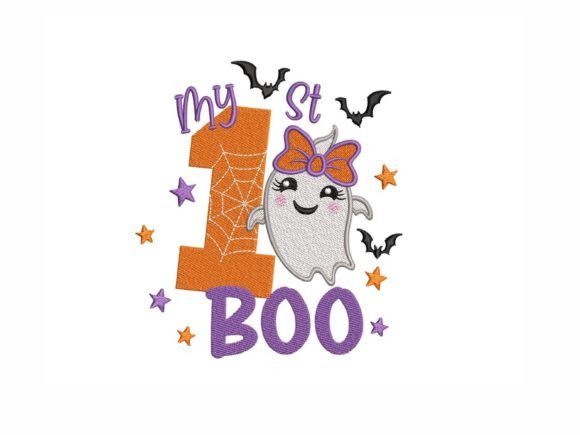
Let's dive into the real-world evaluation of this Halloween themed piece. The concept is simple yet powerful: a very cute and friendly ghost paired with a single digit and flying bats. On paper, it sounds like a standard seasonal item. In practice, however, it holds specific potential for the savvy Etsy seller or boutique maker looking to dominate the baby gift niche during October.
First Impressions: Cute, Friendly, and Market-Ready
The moment I load the embroidery file onto my machine, the aesthetic becomes clear. This is not a scary Halloween design; it is soft, whimsical, and undeniably adorable. The "friendly ghost" element is crucial. Parents are hesitant to put spooky imagery on their newborns, but they will eagerly buy something that feels festive without being frightening. The inclusion of the digit makes it instantly customizable, which is a massive selling point for personalized gifts.
Visually, the design strikes a balance between decorative and focal. It does not feel cluttered. The flying bats add movement without overwhelming the central character. For a craft fair product, this clarity is essential. Shoppers move quickly; if they cannot understand the design within two seconds, they walk past. My First Boo communicates its message immediately: "This is for your baby's first Halloween."
Product Placement: Where Does It Shine?
In my booth strategy, I am planning to feature this design across a variety of substrates. However, not all applications work equally well. Here is how I see My First Boo performing on different items:
- Baby Onesies and T-Shirts: This is the primary use case described in the product details. Sewing this onto a white or pastel-colored onesie creates a high-contrast, clean look. The fabric texture of cotton jersey is forgiving, allowing the stitches to sit flat and smooth. This is your bread-and-butter handmade product for the season.
- Tote Bags and Market Bags: Placing the design on a canvas tote bag elevates it from a seasonal outfit to a reusable keepsake. The sturdy fabric handles the stitch density well, and the large surface area allows the ghost and bats to breathe. These make excellent impulse buys at the end of a shopping trip.
- Tea Towels and Aprons: While the description mentions baby outfits, I strongly recommend testing this as tea towel embroidery or apron embroidery. A kitchen towel featuring a friendly ghost adds a touch of farmhouse charm to the home. It expands your market beyond parents to anyone decorating for the holiday.
- Embroidered Patches and Caps: Creating patches from this design allows you to sell them individually or attach them to denim jackets and caps. However, be mindful of the curved cap surface. The tiny details of the bats might get distorted if the hoop size is too small or the stabilizer is insufficient.
- Pillow Covers and Fabric Pouches: These are great for adding volume to your display. A small pillow cover with My First Boo looks cozy and inviting, perfect for a nursery setting.
Production Practicalities and Quality Control
Before committing to a batch production run, I always perform a rigorous test. You cannot afford to waste thread and time on a flawed finished product. When working with designs that include small elements like flying bats and digits, there are specific risks to manage.
Density and Detail: The ghost's features and the bats must remain distinct. If the stitch density is too high, the fabric may pucker, ruining the professional look. If the spacing is too tight, the colors may bleed together visually. I advise checking the thread colors against your chosen fabric. A dark background might require a lighter outline to ensure the ghost pops, whereas a light background needs a bold contrast.
Fabric Texture Matters: Do not assume this design works everywhere. Textured towels can sometimes swallow small details. The loops in a terry cloth towel might hide the fine lines of the bats. Always create a sample on the exact material you plan to sell. Similarly, thick fabrics like heavy denim require a strong stabilizer to prevent shifting during the embroidery process.
Scalability: One of the strengths of My First Boo is its versatility in size. It can work as a large focal point on a tote bag or a smaller accent on a sleeve. However, do not shrink it too much. If the digit becomes too small, it will be unreadable, defeating the purpose of the customization. Always confirm the minimum viable size before listing it as a small shop product.
Selling Strategy: From Booth to Online Listing
How does this design affect your bottom line? A well-executed commercial embroidery project increases perceived value. Customers pay more for items that look professionally finished rather than hastily made. The "My First Boo" theme taps into the emotional spending habits of parents who want to commemorate milestones. This is not just a shirt; it is a memory.
For the Etsy seller, photography is key. Because the design is cute and bright, it photographs beautifully. Use natural light to capture the sheen of the thread. Create a printable mockup showing the design on various skin tones and fabric colors to help customers visualize the final result. Consistency is vital; if you sell this on a onesie, ensure your other design assets match the quality level.
At the physical craft fair, the visual appeal drives engagement. A table filled with colorful, embroidered items draws people in. Place the onesies front and center. Have a few tote bags stacked nearby to show versatility. The friendly nature of the ghost invites smiles, which leads to conversations, and conversations lead to sales.
Final Designer Notes and Checklist
Before you start stitching your inventory, take these steps to ensure success:
- Test on Scrap Fabric: Never skip this step. Run the design on the actual fabric you intend to use to check for puckering and color accuracy.
- Check Thread Contrast: Ensure the ghost stands out against the background. White on light gray will fail; white on navy blue will succeed.
- Review Spacing and Hoop Size: Make sure the entire design fits comfortably within your hoop without stretching the fabric.
- Inspect Stitch Density: Look for any areas where stitches are too close together, which can cause breakage or poor definition.
- Use the Right Stabilizer: For knits like onesies, use a cut-away stabilizer. For wovens like tote bags, tear-away is usually sufficient.
- Create Real Mockups: Take photos of the actual stitched item, not just digital renderings, for your listings.
- Confirm Licensing: Before selling finished goods, verify your license terms. Ensure you have the right to sell digital embroidery files or finished products commercially.
My First Boo is a winner for the fall season. It combines the emotional pull of a baby milestone with the festive spirit of Halloween. By paying attention to production details and selecting the right products, you can turn this embroidery design into a profitable staple for your business. Whether you are running a bustling booth or a quiet online shop, this design offers the perfect blend of cuteness, utility, and commercial viability.