Surfboard Embroidery Design Review for Boutique Sweatshirts
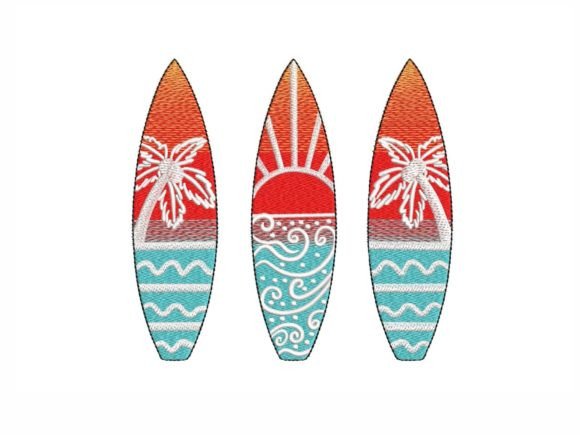
As an experienced embroidery designer who has spent years refining digital assets for small clothing brands, I approach every new file with a critical eye. Today, I am reviewing the Surfboard machine embroidery design specifically for a limited drop of premium sweatshirts. This isn't just about downloading a file; it is about understanding how a Summer theme translates into high-quality custom apparel that elevates a boutique brand. The description promises beautiful patterns and surfboards suitable for clothes, towels, and home decor, but my focus is on how this embroidery file performs when stitched onto thick, cozy fabric.
First Impressions: Mood and Layout Analysis
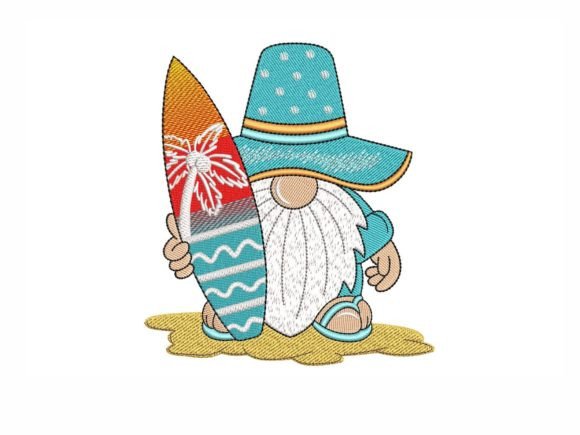
When I first load the Surfboard design into my digitizing software, the mood immediately strikes as playful yet decorative. The layout suggests a balance between bold lines for the board shapes and intricate details for the summerish patterns surrounding them. For a handmade product line, this duality is essential. It offers enough visual interest to stand out in lifestyle photography without becoming so dense that it ruins the drape of the garment.
The stitching personality feels energetic. Unlike minimal designs that might get lost on a heavy garment, the Surfboard motif appears robust enough to command attention. However, the true test lies in execution. Does it feel premium or cheap? In its current state, the design leans towards a casual, fun aesthetic perfect for beachwear, but with the right thread choices, it can easily transition into a chic, feminine statement piece for a boutique brand. The key will be managing the contrast between the surfboard elements and the background patterns to ensure the finished product looks intentional rather than cluttered.
Application Strategy for Sweatshirt Embroidery
For our upcoming collection, I envision using the Surfboard design across various placements on neutral and pastel-colored sweatshirts. On a heather grey or oatmeal oversized hoodie, the design would pop beautifully if we select vibrant thread colors like turquoise, coral, or sunny yellow. The hoodie design potential is significant here; placing the motif on the left chest creates a subtle brand mark, while centering it on the back transforms the sweatshirt into a canvas for storytelling.
I also see immense potential for sleeve accents. A smaller version of the Surfboard pattern could run down the arm, adding a dynamic element that breaks up the solid color of the fabric. For Etsy sellers and small shop products, versatility is currency. This design allows for multiple SKUs from a single asset: a classic crewneck, a cropped hoodie, or even a long-sleeve tee. When creating printable mockup previews for listings, the design's clear outlines make it easy to visualize how the finished product will look on different models, boosting customer engagement before they even purchase.
Fabric Texture and Color Considerations
Sweatshirts present unique challenges due to their pile and thickness. The fabric texture of French terry or fleece can sometimes swallow fine details. With the Surfboard design, I need to ensure that the "summerish patterns" do not become muddy against a dark fabric. If we opt for navy or black hoodies, white or metallic threads will be necessary to maintain visibility. Conversely, on pastel pinks or light blues, darker outlines within the design will provide the necessary definition. The goal is to achieve a look that feels tactile and rich, enhancing the perceived value of the commercial embroidery piece.
Technical Evaluation: Density, Stabilizers, and Hooping
From a technical standpoint, the most critical factor is stitch density. Sweatshirt material requires a stabilizer that can handle the push and pull of the needle without puckering. I recommend a cut-away stabilizer for this project to ensure the Surfboard design lays flat and maintains its shape after washing. If the density is too high, the design may stiffen the fabric, ruining the cozy feel of the sweatshirt. If it is too low, the loops of the fleece might show through, making the embroidery look unfinished.
Before production, it is vital to check the specific hoop size requirements for this digital embroidery file. While the description mentions suitability for various items, knowing the exact dimensions ensures proper placement. For example, a large back print might require a 10x10 hoop, whereas a chest logo fits comfortably in a 5x7. Additionally, checking the stitch count is crucial for pricing and time management. High stitch counts increase production time, which affects the turnaround speed for custom apparel orders.
Thread color contrast is another area where careful planning pays off. The design should allow for smooth transitions between colors to avoid excessive thread trimming, which can lead to loose ends on the back of the garment. Ensuring the design assets are optimized for multi-color runs will streamline the workflow in an embroidery shop setting.
Brand Identity and Commercial Viability
Incorporating the Surfboard design into a collection does more than just add decoration; it reinforces brand identity. For a brand focused on coastal living, summer vibes, or active leisure, this Embroidery piece serves as a visual anchor. It signals to the buyer that the brand understands the season and the lifestyle. A well-executed embroidered sweatshirt often commands a higher price point than a printed one because of the perceived quality and durability.
For the Etsy seller or creative entrepreneur, this design offers a way to differentiate from mass-market competitors. The handmade presentation of raised stitches adds a layer of authenticity that digital prints cannot replicate. When customers see the texture in close-up photos, their trust in the brand increases. They perceive the item as a crafted good rather than a commodity. This visual recognition helps build a loyal following around the Summer collection.
Final Verdict and Production Checklist
The Surfboard machine embroidery design holds strong potential for a premium sweatshirt collection. Its blend of bold shapes and decorative patterns makes it versatile for both casual and slightly elevated aesthetics. However, success depends on rigorous testing. Before launching the full run, I advise conducting a test stitch on the actual fabric intended for production. Verify that the stitch density works with the fleece weight and that the chosen thread colors offer sufficient contrast.
Remember to confirm the file format compatibility with your specific embroidery machines and double-check the licensing terms for commercial use. While the description highlights its use on clothes, towels, and framed art, ensuring you have the rights to scale the business is paramount. If these details align, the Surfboard design is ready to become a standout piece in your catalog, offering a fresh, textured take on seasonal fashion that resonates with modern consumers seeking unique, high-quality apparel.