Ladybug Wreath: A Craft Fair Designer Review
As I set up my table for the upcoming weekend craft fair, the pressure to curate a collection that stops shoppers in their tracks is always high. The air is filled with the scent of coffee and the hum of conversation, and every item on my display needs to speak instantly to potential buyers. Today, I am reviewing the Ladybug Wreath, a machine embroidery design that promises vibrant colors and fresh energy. My goal is simple: determine if this digital file can be transformed into a profitable handmade product that stands out in a crowded marketplace.
First Impressions: Bold, Cute, and Seasonally Perfect
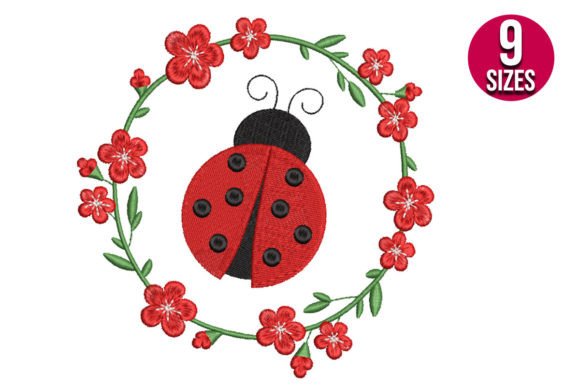
The moment I open the preview of the Ladybug Wreath, the aesthetic is unmistakable. It feels undeniably cheerful, blending the rustic charm of a floral wreath with the playful innocence of a ladybug. This combination hits a sweet spot for spring and summer collections. Unlike designs that lean too heavily into farmhouse minimalism or overly complex traditional styles, this piece feels accessible yet decorative. For an Etsy seller or boutique maker, the visual appeal is immediate. It suggests warmth and nature, making it a strong candidate for a small shop product line focused on seasonal gifts.
In the context of Floral Wreaths, this design offers a unique twist. While many wreath patterns are static, the addition of the ladybug introduces movement and character. This dynamic element is crucial for booth displays where customers scan items quickly. The design does not feel cluttered; instead, it balances the organic curves of flowers with the geometric simplicity of the insect, creating a focal point that draws the eye without overwhelming the fabric.
Product Potential: Where Does Ladybug Wreath Shine?
When translating a digital embroidery file into physical goods, the choice of substrate is everything. Based on the description and visual structure of the Ladybug Wreath, I have identified several products where this design will perform exceptionally well.
- Tote Bags: A canvas tote bag is perhaps the most versatile vehicle for this design. Placed centrally, the Ladybug Wreath becomes a statement piece. The sturdy fabric allows for good stitch definition, and the bright thread colors pop against natural cotton or linen backgrounds.
- Tea Towel Embroidery: Kitchen textiles are a staple for craft fairs. The floral theme fits perfectly here. However, one must consider the texture of the towel. A tight weave works best to ensure the details of the ladybug's spots remain crisp.
- Apron Embroidery: For a slightly larger application, an apron offers ample space. The design could serve as a charming accent on the bib area, adding a personal touch to a functional kitchen item.
- Embroidered Patches: Creating patches from this design allows for maximum versatility. These can be sold individually or applied to denim jackets, caps, and backpacks. The distinct outline of the wreath makes it ideal for cutting and weeding after stitching.
- Pillow Covers: As a home decor item, a pillow cover featuring this design adds a splash of color to neutral living spaces. It appeals to buyers looking for "cute" but tasteful accents.
For the Etsy seller planning online listings, the Ladybug Wreath photographs beautifully. Its vibrant nature translates well to digital screens, ensuring that your printable mockup looks just as appealing as the finished product. This visual clarity is essential for driving clicks and conversions in a competitive digital marketplace.
Production Practicalities: From File to Finished Product
While the design looks promising, the transition from a digital embroidery file to a commercial embroidery product requires careful attention to technical details. As a designer preparing for batch production, I always start by testing the design on scrap fabric. This step is non-negotiable.
Stitch Density and Detail: One area to watch closely is the stitch density within the floral elements. If the wreath components are too dense, they may pucker thin fabrics like tea towels or cause tension issues on curved surfaces like caps. Conversely, if the ladybug's features are too fine, they might get lost on textured fabrics. I recommend reviewing the spacing between stitches to ensure the design remains clear at various sizes.
Hoop Size and Stabilizer: Before committing to a full run, confirm the hoop size required. If the Ladybug Wreath demands a large hoop, it may limit the types of products you can embroider efficiently. Additionally, the right stabilizer is critical. For items like caps or thick tote bags, a cut-away stabilizer often provides the necessary support to maintain the integrity of the design over time.
Thread Colors and Contrast: The description mentions "vibrant and fresh," which implies a need for high-contrast thread colors. On dark fabrics, white or light-colored outlines around the wreath and ladybug are essential to prevent the design from disappearing. Always compare fabric colors against your thread palette before starting a batch.
Careful Use Notes for Complex Surfaces
Not all products are created equal. When applying the Ladybug Wreath to specific items, keep these cautionary notes in mind:
- Curved Cap Surfaces: Embroidering on a cap brim can distort the circular shape of a wreath. Ensure the design is sized appropriately so it does not stretch awkwardly across the curve.
- Textured Towels: Thick loop piles can hide tiny details. If the ladybug has small text or intricate wing patterns, they may not show up clearly on a terry cloth towel.
- Small Accent Sizes: If you plan to use this as a small logo on a pouch or pocket, verify that the design retains its clarity when scaled down. Tiny lettering or minute flower petals may become indistinguishable blobs.
Maximizing Booth Display and Buyer Engagement
At the craft fair, the way you present your handmade product can make or break a sale. The Ladybug Wreath offers a distinct advantage in visual appeal. By grouping items—such as a stack of embroidered tea towels next to matching tote bags—you create a cohesive brand story. The repetition of the design reinforces brand consistency, making your booth look professional and established.
This design also encourages buyer engagement. Customers are naturally drawn to cute, recognizable imagery like ladybugs. It sparks conversation, allowing you to explain the quality of your work, the care taken in selecting thread colors, and the uniqueness of each item. Whether you are selling to a local community or targeting tourists, the universal appeal of a floral wreath with a friendly bug is a powerful marketing tool.
Final Designer Checklist
Before you finalize your order or list your items for sale, run through this quick checklist to ensure success with the Ladybug Wreath:
- Test Stitch: Run the design on the exact fabric you intend to sell to check for puckering or skipped stitches.
- Verify Licensing: Confirm that your purchase includes a commercial license if you plan to sell finished goods. Do not assume the digital embroidery file grants unlimited rights.
- Create Mockups: Produce at least one real mockup for your photoshoot. Real lighting and texture sell better than computer-generated images alone.
- Check File Formats: Ensure you have the correct embroidery file formats for your specific machine to avoid conversion errors.
- Assess Value: Price your finished product to reflect the time spent on hooping, stitching, trimming, and finishing, not just the cost of the design assets.
In conclusion, the Ladybug Wreath is a strong contender for any creative entrepreneur looking to expand their spring and summer catalog. With its vibrant aesthetic and versatile application, it has the potential to become a bestseller in your craft fair booth or online shop. By paying attention to production details and presenting the work professionally, you can turn this machine embroidery design into a signature piece that defines your brand.