School of Small Fish: A Designer's Business Review
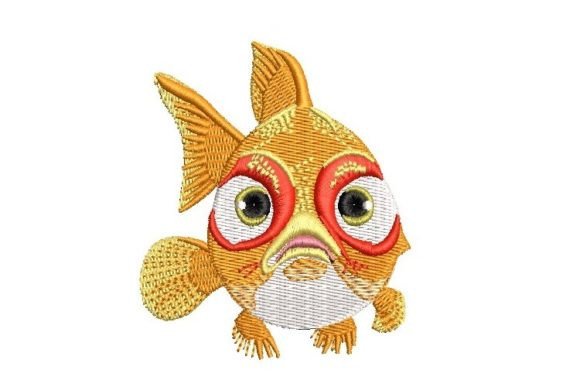
As a professional embroidery designer who has spent years translating brand visions into tangible thread and fabric, I approach every new machine embroidery design with a critical eye. The goal is never just to make something pretty; it is to create a durable, scalable asset that elevates a small business. Today, I am reviewing the School of Small Fish design. On paper, the description promises versatility across t-shirts, pillows, bags, hats, aprons, handkerchiefs, and tote bags. But does this Fish motif hold up under the scrutiny of commercial production? Let’s dive into how this Embroidery file performs in a real-world business context.
First Impressions: Visual Personality and Brand Fit
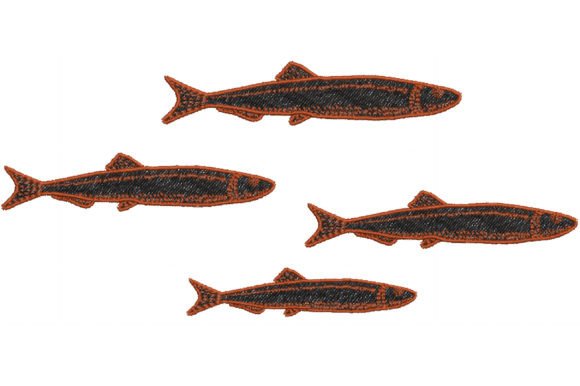
When I first load the School of Small Fish into my digitizing software, the immediate impression is one of organic movement and playful elegance. Unlike rigid geometric logos or heavy industrial emblems, this design exudes a friendly, approachable vibe. It feels less like a corporate mandate and more like a signature touch from a handmade brand. For businesses operating in the lifestyle sector—think boutique cafés, florists, pet brands, or creative studios—this aesthetic is gold. It suggests a connection to nature, fluidity, and community, which are powerful emotional triggers for modern consumers.
However, "beautiful" is subjective. In the world of small business merch, beauty must be balanced with legibility and impact. The School of Small Fish design relies on repetition and flow. This works exceptionally well for creating a sense of motion, but it requires careful placement. If your brand identity is built on bold, high-contrast minimalism, you might find this design too decorative. Conversely, if your brand voice is warm, artisanal, and inviting, this digital embroidery file could become a cornerstone of your visual language.
Strategic Applications for Commercial Merchandise
The true test of any embroidery file is its adaptability across different product categories. Based on the description and the inherent structure of the design, here is how I would deploy School of Small Fish for maximum business value:
- Branded Patches and Labels: This is arguably the strongest use case. The flowing nature of the fish school makes it an ideal candidate for an embroidered patch. Imagine a high-quality felt backing with this design stitched in vibrant blues and teals, sewn onto the back pocket of denim jackets or the side of canvas tote bags. It acts as a subtle badge of belonging for your customers.
- Staff Uniforms and Aprons: For a café or bakery, apron embroidery needs to be visible but not overwhelming. Placing a smaller version of the School of Small Fish on the chest pocket of a staff apron adds a layer of professionalism without the stiffness of a traditional logo lockup. It humanizes the staff and reinforces the brand’s welcoming atmosphere.
- Cap Embroidery: Hats are tricky. The curved surface of a cap front can distort wide designs. However, because this design features small, repeating elements, it can be scaled down effectively for the front panel of a baseball cap or used as a side detail. Just ensure the stitch density is managed so the fabric doesn’t pucker.
- Tote Bags and Event Merch: As a tote bag design, this motif shines. Tote bags offer large, flat canvases where the full scope of the fish school can be appreciated. It transforms a simple utility item into a fashion statement that people want to carry around town, effectively turning your customers into walking billboards.
- Product Packaging Accents: Beyond apparel, consider using this as a label on gift boxes or woven tags for handmade products. It elevates the unboxing experience, signaling that the contents are crafted with care.
Navigating Technical Challenges and Limitations
While the potential is high, experienced designers know that no machine embroidery design is without its pitfalls. Before committing to a bulk run of custom apparel, you must evaluate where School of Small Fish might struggle.
Scale and Detail: The design features multiple small fish. If you attempt to shrink this design too much for a tiny button or a narrow cuff, the individual fish may lose definition. The stitch density could become too high, leading to stiff fabric or thread breakage. Always check the minimum size recommendation before scaling down.
Fabric Texture: Textured fabrics like corduroy, heavy wool, or thick knits can interfere with the delicate outlines of the fish. On dark uniforms, the contrast between the thread colors and the background becomes critical. You will likely need a dense underlay to prevent the fabric color from bleeding through lighter threads.
Curved Surfaces: While mentioned for caps, remember that embroidering on a curve distorts straight lines. Since this design is organic, it handles curves better than block text, but you must still test it on a physical sample hat to ensure the flow looks natural and not warped.
Wear and Tear: Items that undergo frequent washing, such as aprons or work shirts, require robust stitching. Ensure the design uses proper stabilizer techniques to prevent fraying over time. A beautiful design is useless if it unravels after three washes.
Impact on Brand Identity and Customer Trust
Why does a small business owner invest in a specific design asset? Because consistency builds trust. When a customer sees the School of Small Fish on a tote bag, then again on a staff apron, and finally on a thank-you card tag, they begin to associate that visual rhythm with your brand. This visual consistency creates a cohesive narrative.
Using a high-quality commercial embroidery design signals professionalism. It tells the buyer that you care about the details. In the crowded marketplace of Etsy sellers and local boutiques, the tactile quality of a well-executed handmade product sets you apart from mass-produced screen prints. The raised texture of the thread adds a premium feel that increases the perceived value of your merchandise. Customers are often willing to pay more for items that feel substantial and unique.
Furthermore, this design fosters engagement. A whimsical element like a school of fish invites conversation. It gives customers a reason to stop, look, and ask, "Where did you get that?" That interaction is the seed of a sale and the root of brand loyalty.
Practical Designer Notes for Production
If you decide to move forward with School of Small Fish for your business, follow these steps to ensure a flawless finished product:
- Test in Black and White: Before buying expensive thread, run a test stitch in black on scrap fabric. This allows you to inspect the spacing, jump stitches, and overall shape without the distraction of color.
- Verify Hoop Size: Confirm that your machine hoop can accommodate the width of the design. If the design is larger than your hoop, you will need to split it, which can disrupt the flow of the fish school.
- Check Thread Contrast: Select thread colors that pop against your chosen fabric. A light grey fish on a white shirt will disappear. Use a contrasting palette to make the design stand out.
- Use Proper Stabilizer: Do not skimp on stabilization. For stretchy fabrics like t-shirts, use a cut-away stabilizer. For structured items like hats, a tear-away or mesh stabilizer might be better. The right support prevents puckering.
- Create a Mockup: Generate a printable mockup of the design on your actual products. Show this to your team or clients for approval before stitching the first batch.
- Confirm Licensing: Always verify the commercial license terms. Ensure you have the right to use this digital embroidery file for unlimited production runs on sellable goods.
- Compare Assets: Place the design next to other elements in your brand kit. Does it clash with your typography? Does it complement your logo? Context is everything.
In conclusion, the School of Small Fish offers a versatile and charming option for businesses looking to add a touch of life to their small business merch. With careful planning regarding scale, fabric choice, and stabilization, it can transform standard items into memorable brand experiences. Whether for a patch on a uniform or a statement on a tote bag, this design has the potential to swim right into your customers' hearts.