The Butterfly: A Designer's Review for Business Merch
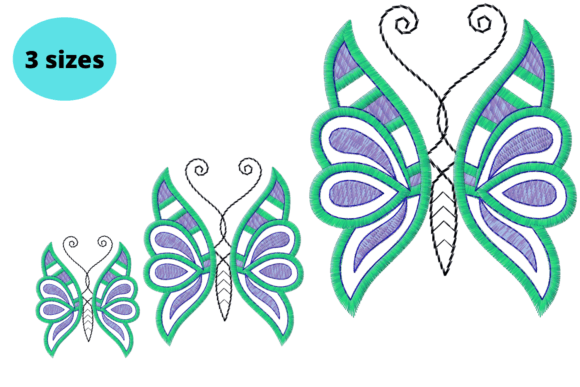
As an embroidery designer who has spent years translating brand visions into tangible thread, I approach every new machine embroidery design with a critical eye. It is not enough for a pattern to be pretty; it must work within the constraints of production, durability, and brand strategy. Today, I am reviewing The Butterfly, a design categorized under Bugs, which promises to be a versatile and enchanting pattern suitable for various clothing items, accessories, and bed linen sets. The description highlights its ability to showcase the delicate and graceful nature of butterflies. But does this translate from a digital file to a profitable asset for your small business? Let us dive into the practical realities of using The Butterfly for branded merchandise.
First Impressions: Elegance Meets Commercial Viability
When I first load The Butterfly into my digitizing software, the initial impression is one of refined elegance. Unlike many designs in the Bugs category that lean towards cartoonish or overly aggressive aesthetics, this piece feels sophisticated. It strikes a balance between being decorative and professional. For a boutique owner or a handmade brand, this is crucial. You want your logo or accent mark to signal quality without shouting for attention. The design exudes a friendly yet premium vibe, making it an excellent candidate for elevating standard apparel into something customers feel proud to wear.
However, "delicate" can sometimes be a red flag in commercial embroidery. Delicacy often implies fine lines and high stitch density, which can be tricky on certain fabrics. My immediate assessment is that The Butterfly offers a classic aesthetic that fits well with rustic, modern, and even vintage brand identities. It is not just a decoration; it is a potential cornerstone for your visual consistency across product lines.
Real-World Applications for Small Business Merch
The true test of any embroidery file lies in how it performs when applied to actual products. Here is how I envision The Butterfly functioning across different sectors of the market:
- Branded Patches: This design is perfectly suited for creating high-quality embroidered patches. Whether you are selling them as standalone collectibles or attaching them to denim jackets and tote bags, the organic shape of the butterfly allows for unique placement options that rigid geometric logos cannot achieve.
- Staff Uniforms and Aprons: For a café, bakery, or florist, The Butterfly works beautifully as a chest logo accent or an apron detail. It adds a touch of whimsy to staff uniforms without compromising professionalism. Imagine a barista wearing an apron with a subtle butterfly motif; it enhances the customer experience by reinforcing a brand identity rooted in nature and care.
- Cap Embroidery: While cap fronts require careful sizing, the symmetrical nature of this design makes it a strong contender for hat branding. It serves as an excellent alternative to text-heavy logos, offering instant recognition even at a distance.
- Tote Bag Design and Event Merch: For eco-conscious brands or event giveaways, placing The Butterfly on canvas tote bags creates a memorable keepsake. It transforms a utility item into a fashion statement, encouraging customers to carry your brand message wherever they go.
- Product Packaging Accents: Beyond apparel, consider using this design on fabric tags or labels for handmade products. A small, embroidered butterfly on a garment tag elevates the perceived value of the finished product instantly.
Navigating the Challenges: Where Caution Is Required
Despite its versatility, The Butterfly requires careful handling to avoid common pitfalls in commercial embroidery. As a designer, I advise caution in the following scenarios:
Small Patch Sizes and Cap Fronts: The intricate details mentioned in the description may suffer if scaled down too aggressively. If you attempt to shrink this design for a tiny buttonhole patch or a small cap front, the delicate wings may lose definition, resulting in a muddy appearance. Always check the minimum recommended size before committing to a run.
Fabric Texture and Dark Uniforms: Textured fabrics like heavy fleece or thick wool can distort the fine lines of a butterfly design. Additionally, if you are embroidering on dark uniforms, the contrast becomes vital. Without proper underlay and sufficient stitch density, the design might get lost against the background. You must ensure the thread colors pop while maintaining the gracefulness of the pattern.
High Stitch Density and Frequent Washing: Designs with high stitch density can stiffen the fabric, which is undesirable for soft items like bed linen sets or t-shirts. Furthermore, items that undergo frequent industrial washing need robust construction. Ensure the stabilizer used is appropriate for the fabric weight to prevent puckering or premature fraying of the threads.
Impact on Brand Identity and Customer Trust
In the competitive world of small business merch, every stitch counts toward your brand narrative. Using The Butterfly effectively can significantly boost customer trust and recognition. A well-executed embroidery project signals that your business cares about details. When a customer receives a custom shirt with a crisp, beautiful butterfly emblem, they perceive higher value in your brand compared to a screen-printed equivalent.
This design asset helps create a cohesive visual language. Whether it appears on a sleeve detail, a tote bag handle, or a product label, the recurring motif builds familiarity. For Etsy sellers and crafters, this consistency is key to building a loyal following. It moves your brand from being a casual vendor to a curated lifestyle choice. The handmade presentation of a physical embroidered badge fosters a deeper emotional connection than digital graphics alone.
Practical Designer Notes for Production Success
Before you purchase the digital embroidery file and start production, follow these steps to ensure The Butterfly delivers the results you expect:
- Test in Black and White First: Run a test stitch in a single color to evaluate the structure and spacing of the design without the distraction of multiple thread colors. This reveals potential issues with jump stitches or registration.
- Verify Hoop Size: Confirm that your machine's hoop can accommodate the full span of the wings. If the design exceeds your hoop capacity, you will need to split the design, which can compromise the integrity of the final look.
- Select the Right Stabilizer: Do not skip this step. For delicate designs on stretchy or textured fabrics, a cut-away or tear-away stabilizer is essential to maintain the shape and prevent distortion.
- Create a Printable Mockup: Before mass production, generate a mockup showing the design on your specific products. Share this with clients or stakeholders for approval to ensure the scale and placement meet expectations.
- Check Licensing Terms: Always confirm the commercial licensing terms of the embroidery file. Ensure you have the right to use The Butterfly for unlimited sales on merchandise, especially if you plan to sell the finished goods rather than just the service.
- Compare with Other Assets: Place the design beside your existing logos and other design assets to ensure it harmonizes with your overall brand palette and style.
Ultimately, The Butterfly is more than just a cute pattern; it is a strategic tool for small businesses looking to differentiate themselves through quality and design. By respecting its technical requirements and leveraging its aesthetic strengths, you can create merchandise that not only looks beautiful but also drives engagement and sales. Whether for a local bakery, a creative studio, or a global apparel brand, this design offers a graceful path to professional embroidery success.