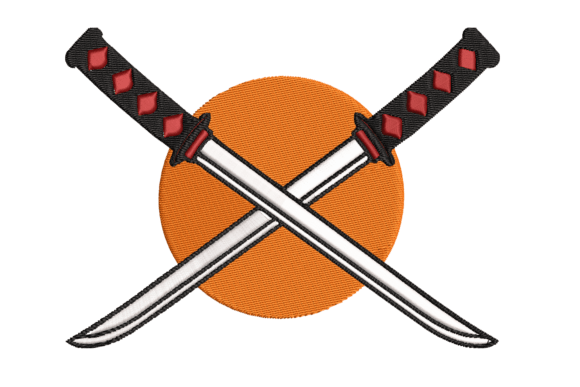
Weapon Katana: A Designer's Review for Personalized Gifts
As an embroidery designer who has spent years curating collections for small shops and Etsy sellers, I approach every new machine embroidery design with a critical eye. The goal is always the same: to find art that elevates fabric into something meaningful. Today, I am testing the Weapon Katana design. At first glance, this piece falls under the broad category of Asia-inspired motifs, but its application goes far beyond simple cultural representation. It is a statement piece that demands attention. My task is to determine if this intricate embroidery file can truly transform a standard garment or household item into a high-value personalized gift.
The First Impression: Elegance Meets Intricate Detail
When I loaded the digital embroidery file onto my machine, the mood was immediately clear. The Weapon Katana design exudes a sense of strength mixed with refined elegance. Unlike playful or whimsical patterns often used for children, this design carries a weight of tradition and artistry. The lines are sharp yet fluid, capturing the essence of the blade without losing the softness required for textile art. For a handmade product, this balance is crucial. It feels modern enough for a contemporary home but classic enough to serve as a family keepsake.
The charm of this design lies in its complexity. As the needle begins to work, the intricate details emerge, adding layers of texture that flat prints simply cannot achieve. This level of detail is what makes Embroidery such a powerful medium. It invites the customer to look closer, to appreciate the craftsmanship. Whether you are a wedding gift designer looking for unique accents or a crafter building a portfolio of custom embroidery, the visual impact of the Weapon Katana is undeniable. It brings a new level of beauty to any project, instantly signaling quality.
Transforming Everyday Items into Heirlooms
The true test of any design is its versatility across different products. I have been experimenting with how the Weapon Katana performs on various substrates, imagining the end-user holding the finished item. One of the most surprising applications is on kitchen textiles. Imagine an embroidered towel hanging in a chef's kitchen or a stylish apron worn during a cooking class. The bold lines of the katana stand out beautifully against cotton terry cloth, turning a utilitarian object into a conversation starter.
For those of us focusing on home decor, this design is equally compelling. I tested it on a linen pillow cover, and the result was striking. The contrast between the soft weave of the linen and the sharp definition of the sword created a sophisticated aesthetic perfect for a living room or study. Similarly, a blanket embroidery project featuring this motif could serve as a unique wedding gift for a couple with an appreciation for Asian culture or martial arts history. It adds a layer of narrative to the gift, making it feel deeply personal rather than mass-produced.
I also considered the potential for tote bags and canvas goods. The sturdy nature of these materials supports the stitch density required for such a detailed image. For an Etsy seller, offering a custom tote bag with the Weapon Katana could be a standout listing. It appeals to travelers, students, and anyone who wants to carry their interests with them. Even in the realm of baby embroidery, while perhaps less common, a stylized version on a nursery blanket could symbolize protection and strength, appealing to parents who value symbolism in their child's environment.
Navigating Fabric Challenges and Design Limitations
While the Weapon Katana is visually stunning, experienced designers know that not all fabrics play nice with intricate designs. There are specific scenarios where caution is required. If you plan to use this on textured fabric like heavy denim or thick wool, the fine details might get lost in the weave. Similarly, on stretchy baby clothes, the tension required to maintain the shape of the sword could cause puckering or distortion over time.
Another consideration is the background color. This design relies heavily on contrast. On dark fabric, you must carefully select your thread colors to ensure visibility. Lighter threads on black or navy backgrounds will make the design pop, but they require precise stitching to avoid gaps. Conversely, using dark thread on light fabric offers a more subtle, elegant look but demands a higher hoop size to accommodate the full scope of the artwork without crowding the edges.
Curved surfaces present another challenge. Embroidering a sword on a round mug or a curved bottle requires advanced stabilization techniques to prevent the design from warping. For items that need frequent washing, such as towels or aprons, the durability of the stitches becomes paramount. You must ensure the stabilizer used is appropriate for the wash frequency to prevent fraying. Always remember to test the design on scrap fabric before committing to a customer order. This step is non-negotiable for maintaining professional standards.
Boosting Perceived Value and Customer Trust
From a business perspective, the Weapon Katana design significantly enhances the perceived value of a product. In the crowded marketplace of handmade goods, customers are looking for uniqueness. A generic print is easily replaced, but a custom-embroidered piece tells a story of effort and skill. When a buyer sees the depth and texture of this machine embroidery design, they understand they are purchasing a small shop product made with care.
This emotional connection drives sales. A finished product featuring this design feels like a treasure. It elevates the brand of the maker, whether you are a large commercial entity or a solo digital product seller. High-quality photography of the stitched item, showing the sheen of the thread and the precision of the lines, can dramatically increase buyer engagement. Use printable mockup tools to visualize how the design looks on different items before you even stitch the first thread. This helps in creating compelling listings that attract serious buyers.
Practical Steps for Professional Results
To ensure success with the Weapon Katana, follow these practical guidelines:
- Test on Scrap Fabric: Always run a test stitch to check alignment and tension.
- Check Thread Contrast: Ensure the chosen thread colors provide sufficient visibility against the base material.
- Confirm Hoop Size: Verify that your hoop can accommodate the full width and height of the design without cutting off details.
- Review Stitch Density: Adjust settings if necessary to prevent puckering on delicate fabrics.
- Use Proper Stabilizer: Select a stabilizer that matches the weight and stretch of your fabric.
- Compare Mockups: Visualize the design on both light and dark fabrics to plan your inventory.
- Verify Licensing: Before selling finished products, confirm that you have the right to use this design for commercial embroidery.
In conclusion, the Weapon Katana is more than just a pattern; it is a tool for storytelling. It allows makers to infuse their products with character and meaning. By understanding its strengths and limitations, you can create personalized gifts that resonate deeply with your customers. Whether it adorns a wedding keepsake, a nursery item, or a daily-use towel, this design proves that embroidery remains one of the most versatile and impactful art forms available to creators today.